We use cookies to improve our services. Read more about how we use cookies and how you can refuse them.
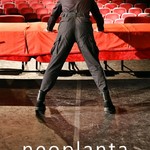
NEOPLANTA
Director: Urbán András
Duration of the perfomance: 90 minutes
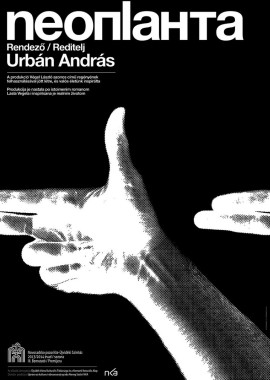
* English and russian subtitles available by request
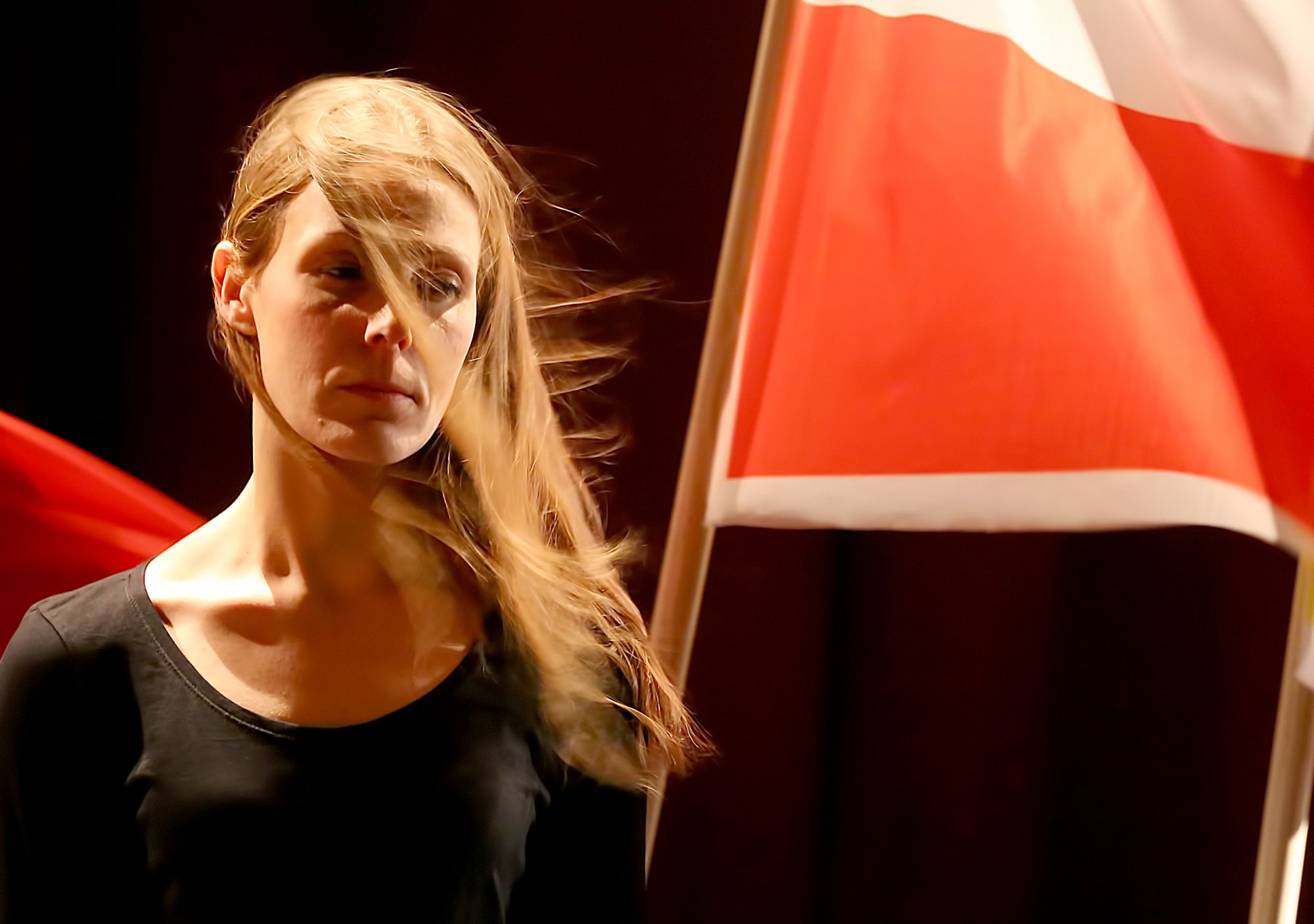
There is this city, this Novi Sad.
Or Újvidék. Or Neusatz. Or Mlada Loza. Or Neoplanta.
This is how Maria Theresa inscribed history with her golden pen.
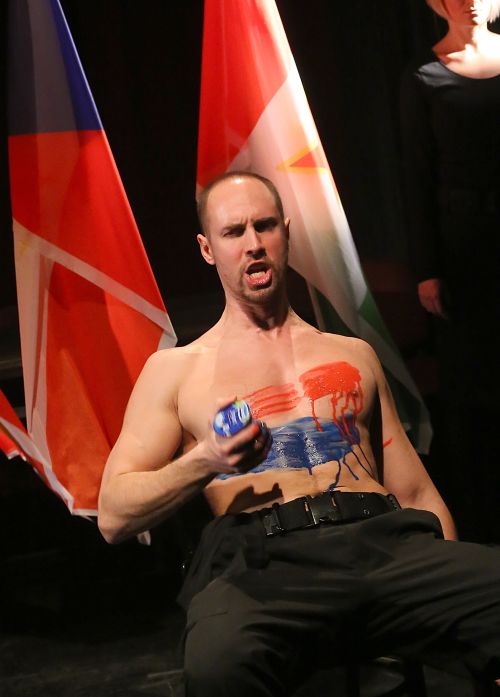
Streets, squares, the Danube, people, nations, twenty-six ethnicities, explosively rising buildings, dark parks, graffiti, a fashion show of hatred. And blood. Blood on the peavement, blood in the well-known restaurants and pubs, blood smeared on the ice of the Danube, and yogurt dripping down the windows of the Banovina Palace.
Neoplanta.
A city's identity, stained.
* * *
Do you want to know Novi Sad? Do you want to see how we got here, as we are now? Do you want to know the face of the city you never knew? The mixture of blood and yoghurt, ice and vine?
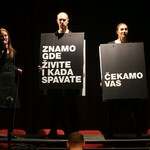
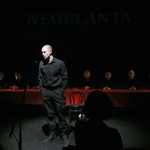
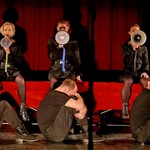
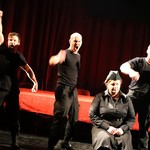
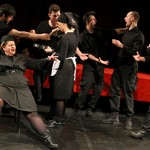
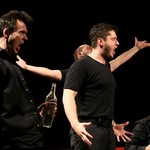
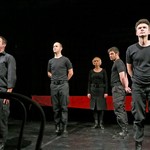
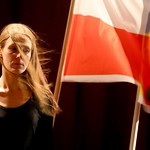
The show "Neoplanta", based on the novel of László Végel is half-fiction and half-documentary, the longest running show these years in Novi Sad. The Winner of the best show on the national festival Sterija Theater Festival.
With English subtitles!
Szereplő: Crnkovity Gabriella
Szereplő: Szalai Elor Emina
Szereplő: Ferenc Ágota
Szereplő: Krizsán Szilvia
Szereplő: László Judit
Szereplő: Huszta Dániel
Szereplő: Kőrösi István
Szereplő: Mészáros Árpád
Szereplő: Német Attila
Szereplő: Pongó Gábor
Szereplő: Sirmer Zoltán
Concept: Urbán András
Dramaturgist: Kata Đarmati
Composer: Antal Attila
Costume designer: Marina Sremac k.g.
Scenographer: Urbán András
Director's associate: Lénárd Róbert
Assistant Director: Judit Ferenc
Stage manager: Aleksandra Biro
Lights: Robert Majoroš
Sound: Tibor Biro, Atila Lukač
Makeup: Agneš Pasti
Photos: Srđan Doroški
Notes

László Végel – Writer
A novelist and essayist from Vojvodina and Europe, journalist and critic, he writes in Hungarian, yet Serbs read him too. He was a contributor to the literary journals Polja and Új Symposion, edited the cultural section of Magyar Szó, and has received numerous accolades, including Hungary’s Kossuth Prize and the Hungarian Pulitzer Prize of the region. His books include Memoirs of a Pimp, Double Exposure, Wittgenstein’s Loom, and Judit and Other Dramas… His works have been translated into several European languages. For the three time now, one of his plays is being staged at the Novi Sad Theatre. His play Judit was a great success with both audiences and critics when performed there in 2002.
Words from the Director
Eighty percent of the play’s text comes from László Végel. Kata Gyarmati and I selected, based on our intuition, the most significant passages from the novel that pertain to 20th-century events—those moments that reveal another aspect of Novi Sad. The most important thing was to shed light on issues typically tied to Novi Sad and Vojvodina: the relationship with a multicultural community, the differences—national, majority versus minority, sexual, intellectual, or artistic orientations—and the confrontation with these differences.
This is not merely a recomposition of the novel but a different kind of adaptation, one that allows new stage events to emerge, creating space for dialogue with the audience. The show Neoplanta will continuously engage in conversation with the people of Novi Sad.
Personally, I have lived through several phases of Novi Sad… In the 1990s, as a lonely university student, the city reminded me of Saigon—full of soldiers and marked by the events of that time. Later, when I encountered it again, I pleaded with this city to accept me, to allow us to form some kind of positive connection.
We all carry certain notions within us—positive prejudices, shaped by past experiences—and we struggle to accept that the image we nurture is based on an earlier reality, one that no longer exists. Or if it does, only in traces. On one hand, a new prevailing perception takes over, not just in terms of political ideologies. On the other hand, progress is only possible for those who can confront reality—in our case, the reality of our city.
Yet, the play is not just about the city, nor does it simply narrate a fragment of history based on Végel’s novel. Another story has already taken shape within it—one that fosters the emergence of new spaces for human existence. We recognize this space as a multicultural environment, but it is time to also acknowledge a vision that does not align with this multiculturalism.
We often boast about multiculturalism and interculturality when these concepts serve our needs—especially in relation to the EU. But when we wish to talk about the real Novi Sad, the question immediately arises: Which is the real Novi Sad?
These are the infernal circles we must traverse—around us, within us, and in relation to our sense of truth. Yes, we must address this, even if it is uncomfortable. We cannot eternally place the burden of responsibility on those who have a romantic relationship with Novi Sad.
Awards
48. BITEF - 2014
Legjobb rendező
Urbán András
48. BITEF - 2014
Közönségdíj legjobb előadás
59. Sterija Játékok - 2014
Legjobb előadás
Vajdasági Hivatásos Színházak 64. Fesztiválja, Nagykikinda - 2014
Legjobb drámaelőadás
Vajdasági Hivatásos Színházak 64. Fesztiválja, Nagykikinda - 2014
Legjobb zene
Antal Attila
Különdíj a társulatnak a kollektív játékért
Legjobb rendezés
Urbán András

More productions


Partners